



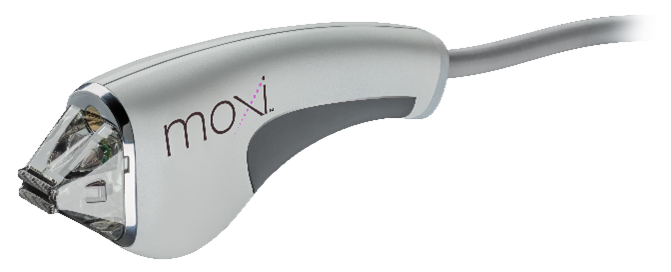
Moxi: Experience the “Moxi Glow” with Sciton’s newest fractionated laser! In a quick 8-15 minute treatment with minimal downtime or discomfort MOXI reduces pigment and improves skin’s overall tone and texture. The perfect treatment to correct the appearance of sun damage and aging helping you love your skin year-round!
What does Moxi Treat?
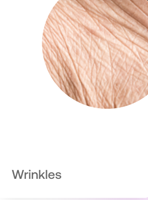
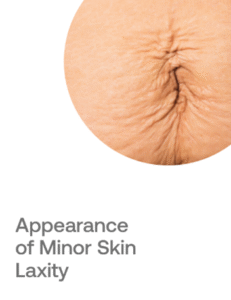
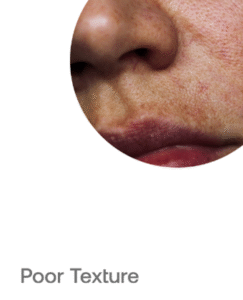
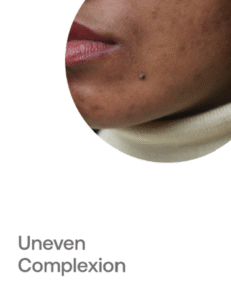
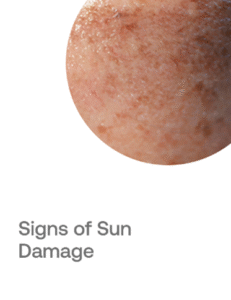
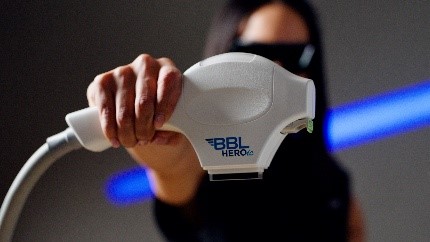
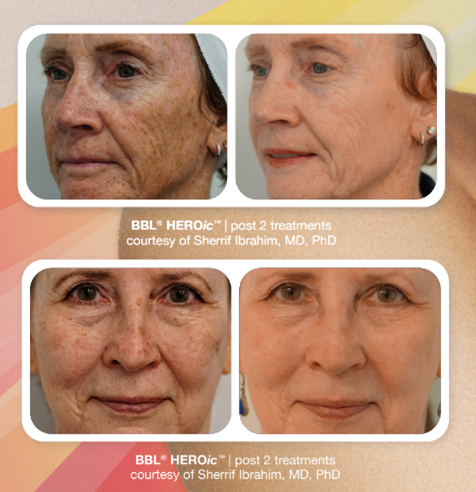
Broad Band Light: Discover the magic of Heroic, Sciton’s advanced pulsed light treatment! Revitalize your skin, banish pigment and vascular issues and boost your skin tone and texture. With Solutions for redness, brown pigment, acne and hair reduction for face and body, In addition to skin tightening and body contouring! Click Learn More to see before and after photos.
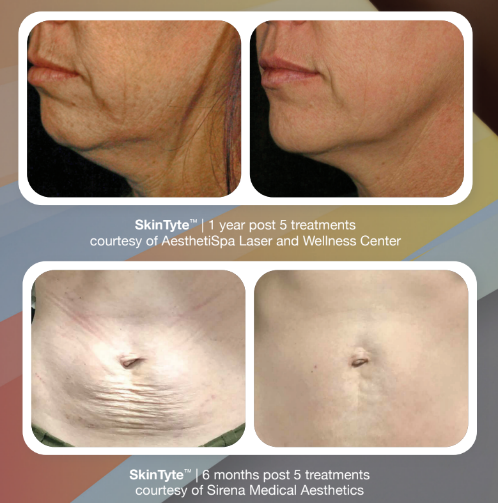
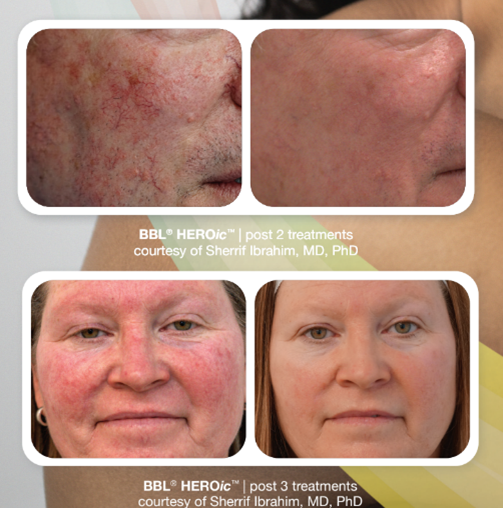
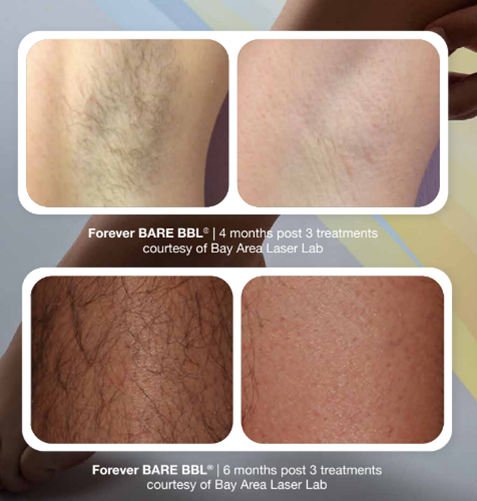
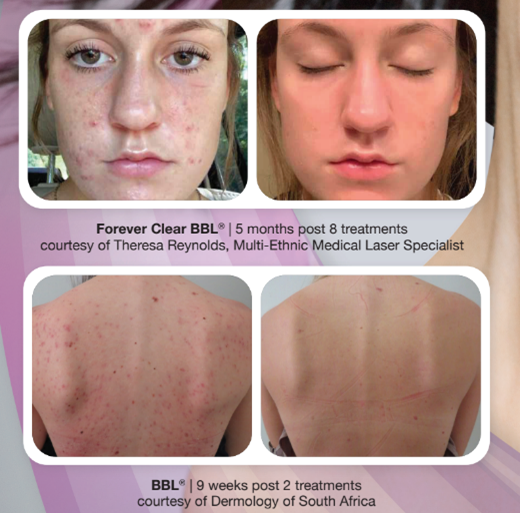
Please use Future you is glowing
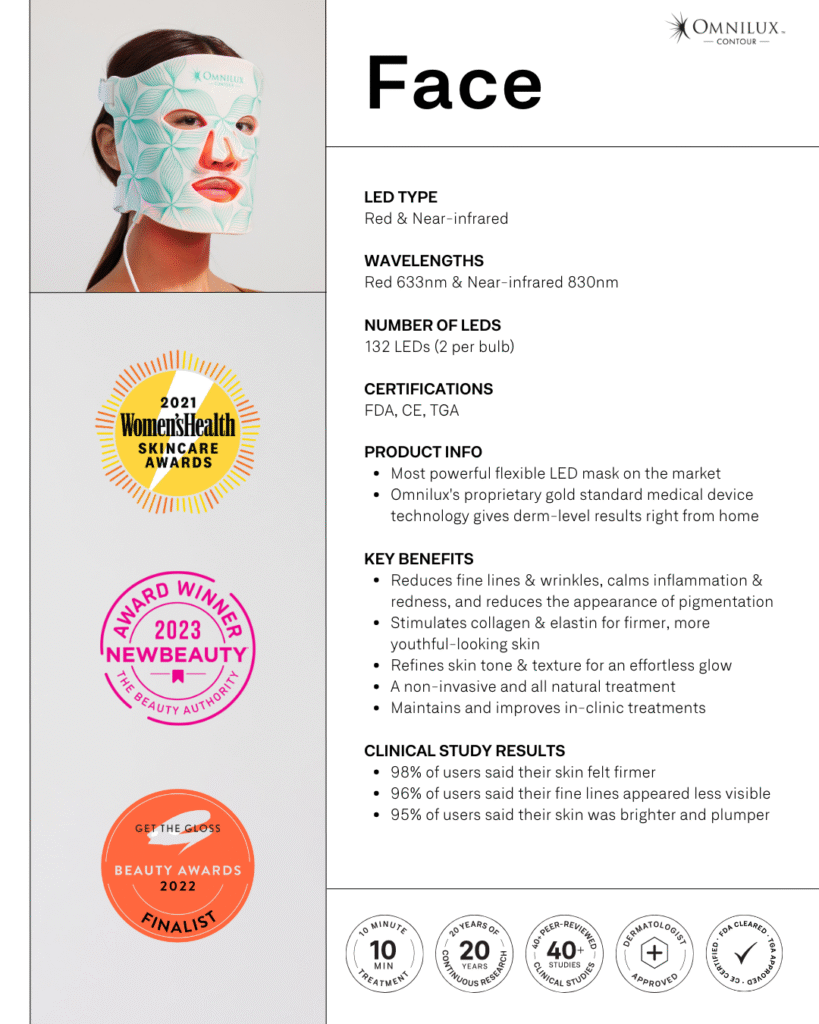
Clinically proven LED devices boost collagen production for firmer, younger-looking skin.

1.Glutathione!
2.Relationship between Glutathione and the Immune System
3.Glutathione and its antiaging and antimelanogenic effects
Research shows that such formulations have been linked to supporting DNA repair and promoting genomic stability.
Research suggests that NAD contributes to neuroprotection and may help mitigate neurodegenerative conditions.
Scientific data support that the administration of NAD has been associated with promoting metabolic health. NAD+ has also been evaluated for potential use in treating drug and alcohol addiction, Parkinson’s disease, chronic fatigue syndrome, and depression.
Low NAD+ levels have been observed in elderly individuals, and those with obesity, diabetes, and other chronic health conditions. NAD+ concentrations decline in aging and chronic disease and modulation of the way we use or produce NAD+ can prolong health and lifespan (2). Restoring NAD+ in mice studies has resulted in the reversal of metabolic conditions, improvement in cardiovascular conditions, improved muscle function and endurance, reversal of retinal degeneration, neurological benefits and fertility (2). Human clinical trials have shown improvement in systolic blood pressure and aortic stiffness, as well as reduced inflammatory cytokine markers (2). It has been shown that inflammatory cytokine CD38 becomes overexpressed during the aging process, which further depletes NAD+ and contributing to what is now referred to as “inflammaging (3).”
1.The Role of NAD+ in Regenerative Medicine
2.NAD⁺ in aging, metabolism, and neurodegeneration
3.The Role of NAD+ in Regenerative Medicine
Thiamine helps our body turn food into energy, and to keep the nervous system healthy (1). Pyridoxine is essential for normal brain development, and for healthy nervous and immune systems. Pyridoxine also plays an important role in the way our red blood cells carry oxygen to our tissues, contributing to symptoms of anemia such as fatigue, brain fog, sub-optimal immune function and some mood imbalances. Some chronic medical conditions and medications can deplete our B6 (2).
L-Carnitine plays a critical role in energy production by transporting fatty acids into the mitochondria where they are utilized in the form of oxidation to produce our cellular energy currency, ATP. Carnitine also helps remove toxic buildup from the mitochondria making it an interesting area of research related to Alzheimer’s disease. Ongoing studies suggest a hypothesis that by reducing the toxic burden on the mitochondria, they are able to work more efficiently, potentially alleviating the degeneration of brain structures. Researchers are also studying the effect of Carnitine on cardiovascular health. It is thought that Carnitine helps decrease inflammation and moderates oxidative stress. A 2023 meta analysis of four randomized trials showed that L-Carnitine supplementation reduced fasting glucose, LDL cholesterol, and apolipoproteins A1 & B100 (3). Additional studies showed that study participants who used L-carnitine supplements in combination with a weight loss program lost more weight than those on a weight loss program with placebo (3).
Methionine is an antioxidant shown to help improve fatty liver, liver fibrosis, insulin resistance and inflammation (4) and may help mobilize fat deposits for excretion.
Inositol is a form of sugar found in your body that is used for the growth and development of cells. Research has shown that it may have many beneficial effects on metabolic syndrome, symptoms of PCOS, cholesterol, insulin resistance and mood (5).
Choline is a nutrient typically obtained from our diet. Choline contributes methyl groups needed in the process of metabolism and provides the building blocks needed to maintain the structural integrity of our cells. Choline is also a building block for the neurotransmitter acetylcholine, which is critical for memory, mood, muscle control and nervous system function. Some small studies have shown a link between higher choline levels and improved cognitive performance in adults (6). Adequate choline intake is necessary for optimal liver function, and studies have shown a return to normal liver function in some groups of patients after supplementation with choline (6).
4.Methionine as a double-edged sword in health and disease: Current perspective and future challenges
5.Inositol
6.Choline
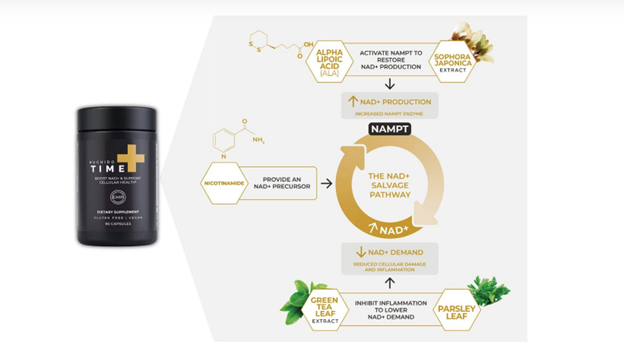
First of all, let’s break down why NAD+ declines as you age. In simple terms, it’s a supply and demand issue. As you get older NAD+ production declines whilst the demand for NAD+ increases, leaving your cells without enough NAD+ for critical cellular processes which drives the aging process.
Because of this, precursor supplements can also cause methyl donor depletion and inadvertently drive inflammation because they put further stress on the NAD+ pathway in your cells. This is why it is commonly recommended to take other supplements such as TMG (trimethylglycine) alongside NMN to counteract these effects – but taking one supplement to fix the side effects of another is not best practice.
Precursor supplements such as NMN and NR are the raw materials that your cells use to make NAD+. But the latest science shows that as you get older your body struggles to convert these raw materials into NAD+. This is because the main enzyme that powers this reaction (NAMPT) declines with age. So taking NAD+ precursors alone is similar to supplying a factory with raw materials even though you know the machines are broken. They ignore the root cause of the problem.
Because of this, precursor supplements can also cause methyl donor depletion and inadvertently drive inflammation because they put further stress on the NAD+ pathway in your cells. This is why it is commonly recommended to take other supplements such as TMG (trimethylglycine) alongside NMN to counteract these effects – but taking one supplement to fix the side effects of another is not best practice.
Nuchido TIME+ is also supported by several human clinical trials which show that Nuchido TIME+ boosts cellular NAD+, activates NAMPT and lowers inflammation, which resulted in a reversal of biological age. This translates to whole-body benefits including increased energy levels, enhanced sleep quality and improvements in skin health.

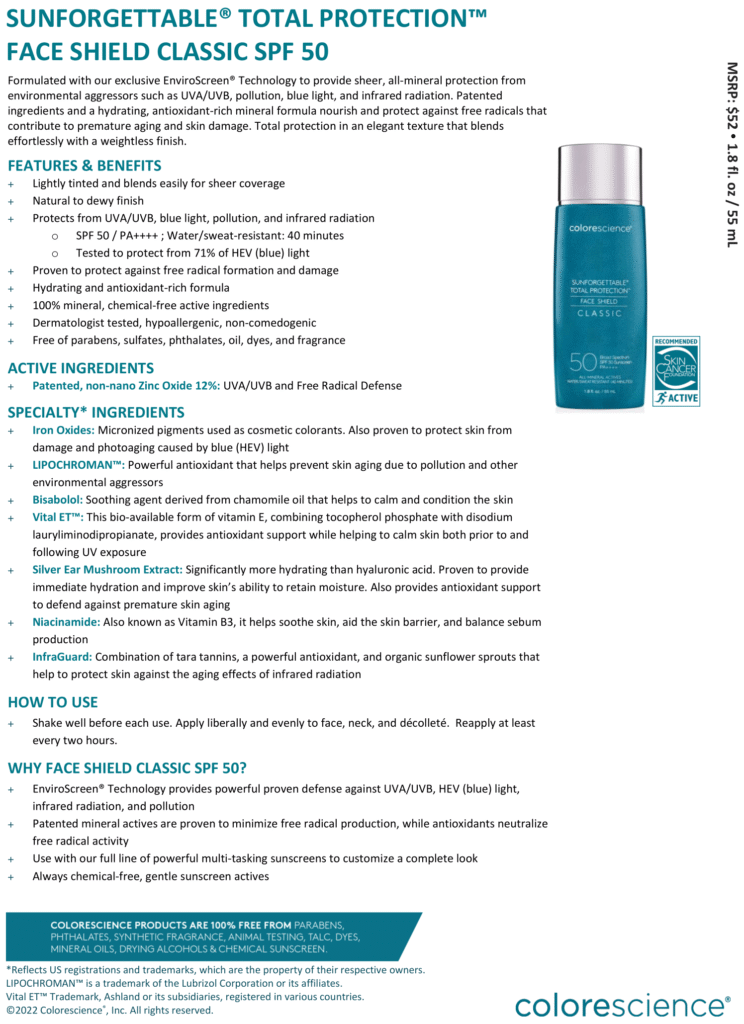
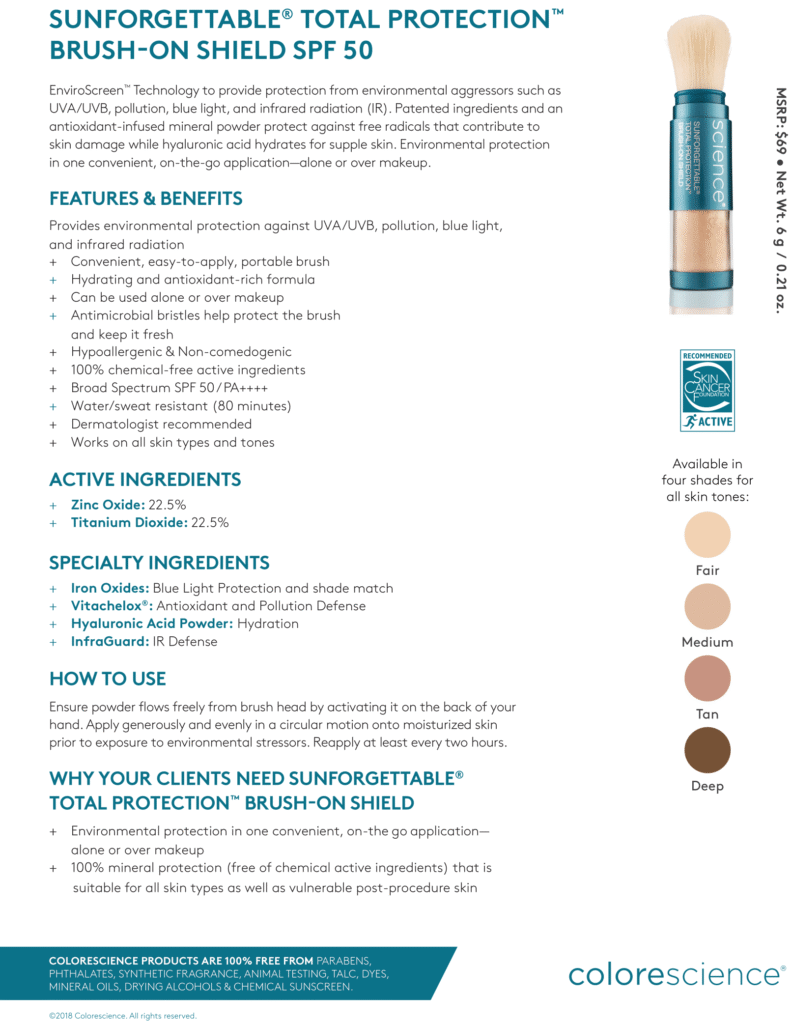
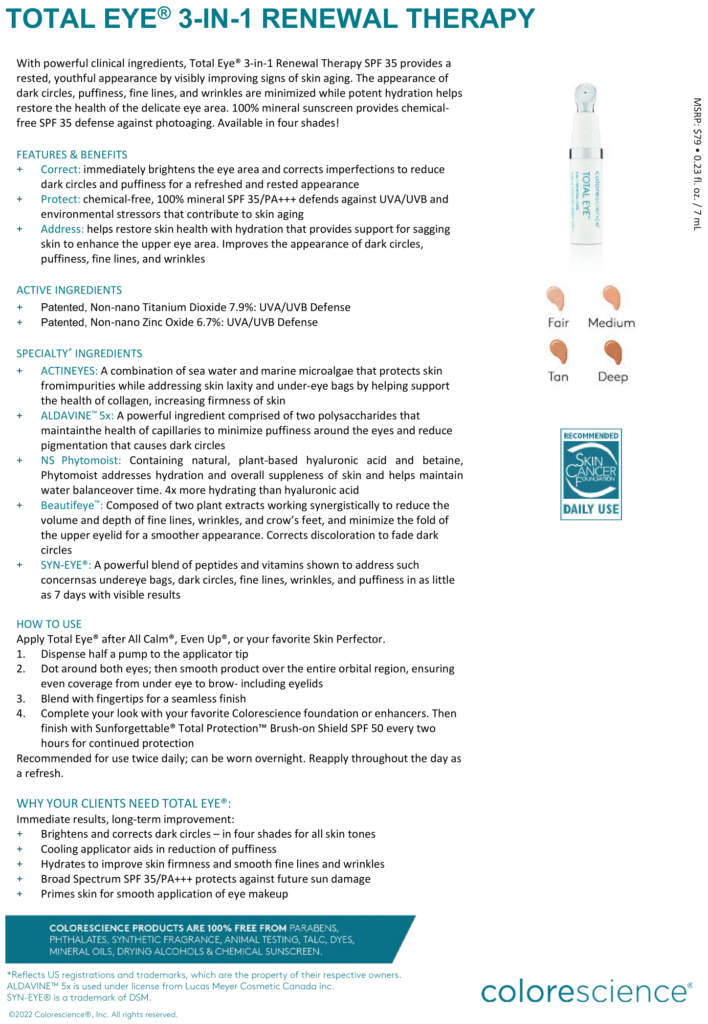
Safe, Luxurious, Results-oriented skin care that is clean, conscious, clinical and beautiful both on the skin and displayed on your vanity.
Epicutis partners beautifully with our other skin care offerings. Stop into the clinic to talk with one of our staff members about the amazing difference Epicutis can make in your routine or experience one of our luxurious facials with Emily Light, our licensed aesthetician.

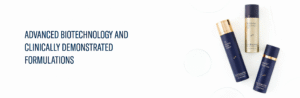
With combined technologies, SkinBetter Science elevates your skin care regimen allowing you to experience the efficacy of active ingredients without the down time. SkinBetter Science offers products for face, eye, neck and body and has options for sensitive and acne prone skin.
Shop through our exclusive online link here: https://skinbetter.pro//AnaraWellness or stop into the clinic to talk with one of our staff members about which products are best suited for you!

Pronounced Zee-Oh, ZO® Skin Health is the leading Professional Skincare Brand Founded by Dr. Zein Obagi. Follow this link to create your own custom regimen https://zoskinhealth.com/us/regimen-finder.html
Or speak to one of our in-office ZO Skin Health Expert Certified staff members to guide your selection

Every person deserves to have a conversation about the role hormones play in our long term health and quality of life. Your team at Anara Wellness is dedicated to taking the time to listen to your concerns to determine if hormone optimization is the right step for you. We take an evidence-based approach and can prescribe appropriate medications to the pharmacy of your choice in safe doses to nurture your vitality, from the inside out.

Sculptra
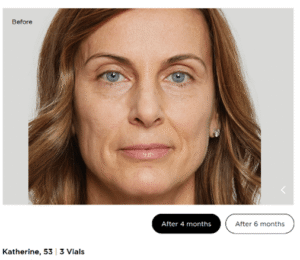
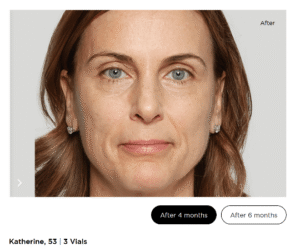
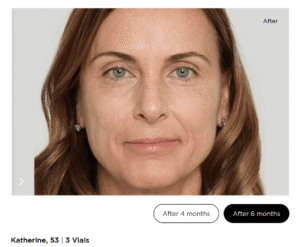
Restore your natural collagen1. Treatment starts at $750
Our Founder’s favorite treatment! Sculptra helps restore your skin’s foundation by stimulating your natural collagen production to firm and smooth the entire cheek region and tighten the skin along the jawline.2-5*
95% of patients had improved skin glow 2 years after Sculptra treatment.1
Microneedling with PRP starting at $550 per session or enjoy 15% off a purchase of a package of 3:
Microneedling with the FDA-cleared SkinPen activates your skin’s natural healing response to improve texture, soften fine lines, and minimize scars and pores. When combined with PRP (Platelet-Rich Plasma) derived from your own blood, this treatment enhances collagen production and cellular renewal revealing smoother, brighter, and more resilient skin. Designed to work without chemicals, heat, or stress —SkinPen uses fine needles to create micro-openings in the skin that naturally remodel the skin. This minimally invasive treatment significantly improves the appearance of acne scars and neck wrinkles offering beautiful skin, naturally.
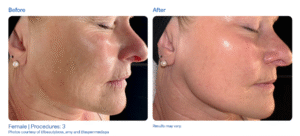

During your consultation, our expert injectors will take the time to truly listen, understanding your aesthetic goals and designing a personalized treatment plan using the most appropriate products to help you achieve natural, balanced results.
With the custom Anara Wellness approach, using scientific integrity and aesthetic artistry, we’re here to enhance your features, not change them. This is your beauty, redefined.

Botox, Dysport and Daxxify gently relax the facial muscles that result in etched-in expression lines, resulting in a refreshed, relaxed glow without changing your unique features.
At Anara Wellness, we believe in the art and science of subtle enhancement. Our expertly trained injectors use neuromodulators with precision and care to deliver natural-looking results that align with your aesthetic goals. Whether you’re looking to soften forehead lines, lift your brows, tighten that neck or prevent new wrinkles from forming, we offer personalized treatments in a luxurious, medically guided setting.
Where luxury meets lab coat—because you deserve results that are both beautiful and backed by science.
We carry the following brands: Botox, Daxxify and Dysport

In-office ZO 3 Step Peel

Immerse yourself in the ultimate 90 minute luxury facial experience meticulously tailored to your skin’s unique needs. This indulgent treatment begins with a deep cleanse and expert dermaplaning for flawless glow, followed by customized skincare, a soothing facial massage, and a rejuvenating mask. Red light therapy enhances cellular renewal, while nourishing hand and foot wraps complete your journey to total relaxation and radiance.
Indulge in a 60 minute facial designed to rejuvenate and restore. Your expert esthetician will curate a personalized skincare experience tailored to your unique complexion, featuring a deep cleanse, a soothing facial massage, extractions as needed and a restorative mask. This facial is crafted to deliver visible results and complete relaxation. Dermaplaning and red light therapy are available as an add on for an additional cost.
The express facial is great for those with a busy schedule. This condensed service focuses on cleansing and exfoliation to target issues like dullness, aging or acne. Additional services such as waxing, or Dermaplane may be added on for an additional cost.

Your newest obsession? Absolutely. DiamondGlow® is a clinically proven dermabrasion treatment that exfoliates, extracts, and then infuses customized SkinMedica® serums so you leave with a long-lasting glow.
From an immediate glow to lasting results, this clinically proven dermabrasion treatment gives you a clean rejuvenation you can feel and see. Your DiamondGlow® treatment supports lymphatic drainage, which helps decrease the appearance of puffiness, support removal of toxins, and brighten skin.
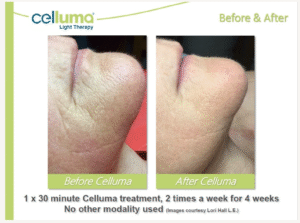

Red light therapy with Celluma Light Therapy is FDA cleared to treat Acne, Wrinkles, Arthritic pain, Muscle Spasm, Hair Restoration, Muscle and Joint Pain, Muscle Tissue Tension, Decrease Inflammation, Increase Microcirculation.
This 30 minute treatment gently removes dead skin cells and fine hairs to reveal smoother, brighter skin and improve the absorption of your skincare products.
This 10-15 minute appointment includes upper lip wax
This service is ideal for those who have coarser hair, and those who desire longer-lasting results, or those whose skin is too sensitive for the exfoliation provided in dermaplaning.
This 15 minute appointment includes eyebrow wax and shaping

Take control of your weight loss journey with our medically supervised weight loss programs, offering personalized solutions, and a combination of safe treatments, to help you achieve sustainable results.


Peptides represent the cutting edge of wellness therapy, harnessing the power of naturally occurring molecules in the body. Peptides are short chains of amino acids, working as cellular messengers. At Anara Wellness, we offer peptide therapy produced by pharmacies, not research facilities, ensuring purity and safety. Experience the transformative benefits of peptide therapy, tailored to your body’s unique needs.
The safety of our patients is our primary concern ,and with that as our guiding principal, we choose to work with certified pharmacies to source our peptides. We feel the responsibility rests on us to ensure you have access to safe, tested peptides so we do not offer research grade or ‘not for human use’ products as you may find from other practitioners.
Some of the benefits the research describes related to the use of growth hormone secretagogue peptides includes an overall improved sense of wellbeing in addition to some improved markers of health (1).

When you don’t have the time to sit for a drip, our IM booster shots boost your overall health and well-being, delivering vital nutrients such as Magnesium, Vitamin C, Zinc, etc. directly into your system for optimal absorption and effectiveness.